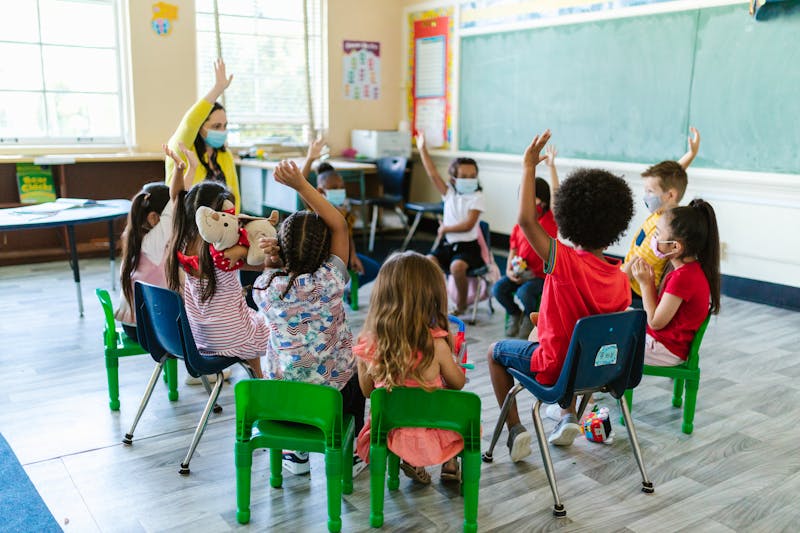
PM POSHAN (formerly the Mid-Day Meal Scheme), which provides free cooked lunches to 8.3 crore children in government and government-aided schools across India, is frequently cited as one of India's most successful social programmes — credited with reducing dropout rates, improving enrolment and addressing hunger. But a Ministry of Education concurrent evaluation, covering 18 states across 2,400 sample schools, finds that only 58% of enrolled children receive a nutritionally complete meal on all days the school operates.
PM POSHAN — Coverage & Quality Gaps
- 8.3 crore children enrolled nationally in 11.2 lakh schools
- 58% receive full-nutrition meal on all school days (Ministry audit, 2025)
- Jharkhand: only 41% of schools consistently serving complete meals
- Bihar: 44%; Assam: 47%; UP: 51%
- 29% of schools have no functional kitchen; meals cooked outside and transported
- Egg provision (2 per week) — implemented in only 11 of 28 states
“The scheme exists on paper in every school. But what a child actually receives varies enormously. In some schools it is a full nutritious meal. In others, it is rice and salt. The audit numbers tell you what the scheme looks like at the median.”
— Dipa Sinha, economist and Mid-Day Meal researcher, Ambedkar University Delhi
8.3Cr
Children enrolled
58%
Receive full nutrition daily
11.2L
Schools covered
11/28
States providing eggs
How did this story make you feel?
Sunita Verma
Health & Policy Reporter
Sunita covers public health policy, hospitals and government health schemes from New Delhi.